Are there any health benefits of drinking Prosecco?
The short answer
Prosecco should not be chosen or promoted for health benefits. It contains alcohol, which carries health risks, and drinking it is not a health recommendation. If you choose to drink, treat it as an alcoholic wine rather than a source of wellness or a reason to begin drinking.
 Answered by Michael Goldstein · Founder, Bella Principessa
Updated on
The full answer
Prosecco should not be chosen or promoted for health benefits. It contains alcohol, which carries health risks, and drinking it is not a health recommendation. If you choose to drink, treat it as an alcoholic wine rather than a source of wellness or a reason to begin drinking.
A headline promising that something enjoyable is also good for you is easy to welcome. Before accepting it, separate the pleasure of an occasion from a claim about health.
Prosecco is alcoholic wine. Its origin, fruit character or presentation does not establish that drinking it improves health.
Why avoid the health-benefit claim?
NIAAA describes a range of alcohol-related harms and notes that, for some people, any amount of drinking can be harmful. A possible attractive-sounding component in a beverage is not enough to establish a net health benefit from consuming it.
Do not start drinking for a hoped-for health benefit. Individual circumstances matter, and alcohol is not appropriate for everyone.
What about heart health, memory and antioxidants?
Claims about a component of wine or a short-term effect do not establish that drinking Prosecco prevents disease or improves long-term health. The CDC explains that earlier studies of moderate drinking could be affected by diet, exercise and the inclusion of former drinkers who stopped because of illness.
A lower-calorie serving or a lower-sugar style also does not establish a health benefit. Compare the actual serving, alcohol content and verified nutrition information instead of assuming that dry wine is healthy.
What about Bella Principessa?
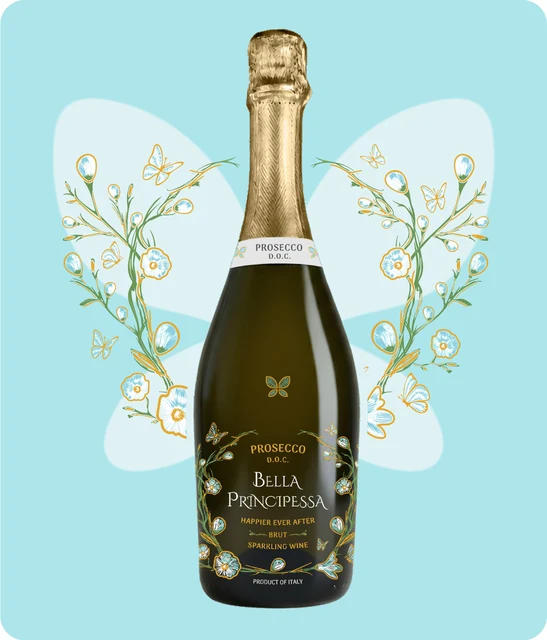
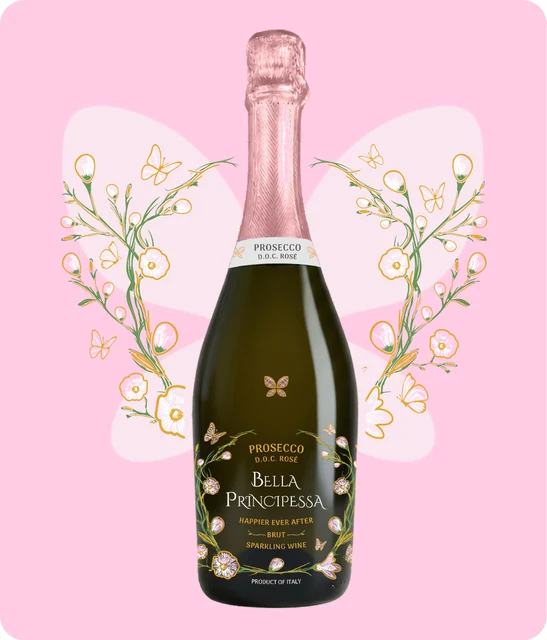
Bella Principessa white Prosecco DOC Brut and DOC Rosé Brut are alcoholic wines. Their style and sweetness are reasons to compare them as wines, not evidence of a health benefit.
Sweetness terms should not be used as shortcuts to health claims. A drier category is not a medical recommendation, and a brand needs verified data for specific nutrition statements.
Where should personal questions go?
If you are pregnant or might be pregnant, do not drink alcohol. If you have a medical condition, take medication or are unsure whether alcohol is appropriate for you, seek advice from a qualified healthcare professional. General wine copy cannot assess your situation.
For related information, see Prosecco alcohol content and driving after Prosecco. Those answers address different questions; neither establishes a health benefit from drinking.
Sources
NIAAA on alcohol-related consequences and CDC on moderate drinking and health.
Keep this answer
Print it, save it, or send it to whoever asked.

 Il Bar di StaseraSophie’s 40th