Why is cava called Cava?
The short answer
Cava takes its name from a word associated with caves and wine cellars. The Spanish dictionary describes a cava as a cave or enclosure where certain wines are made and stored. The name has a cellar story, but it is not a Spanish translation of Prosecco.
 Answered by Michael Goldstein · Founder, Bella Principessa
Updated on
The full answer
Cava takes its name from a word associated with caves and wine cellars. The Spanish dictionary describes a cava as a cave or enclosure where certain wines are made and stored. The name has a cellar story, but it is not a Spanish translation of Prosecco.
Some wine names send you looking for a grape. This one sends you downstairs.
The connection is to the cellar: a place where wine is made and kept. Once you know that, Cava sounds a little less like an arbitrary word on a drinks list.
What does cava mean?
The Royal Spanish Academy's dictionary gives a sense of cava as a cave or enclosure used to make and store certain wines, including Cava, and traces the noun to Latin.
The D.O. Cava timeline records the name in an official document in 1959 and the Regulatory Council’s approval of the denomination in 1972. These milestones describe formal usage, separate from the word’s Latin root.
What happens in the bottle?
Cava uses the traditional method, including a second fermentation in the bottle. That process creates the sparkle and is followed by further production stages before the wine is ready for sale.
Prosecco DOC spumante develops its sparkle in pressure-resistant tanks. The difference is about how the wine is made, as well as where it comes from.
Is Cava another name for Prosecco?
No. Shared bubbles do not make two wines the same. They have different origins and production rules, and their individual grapes and styles matter too.
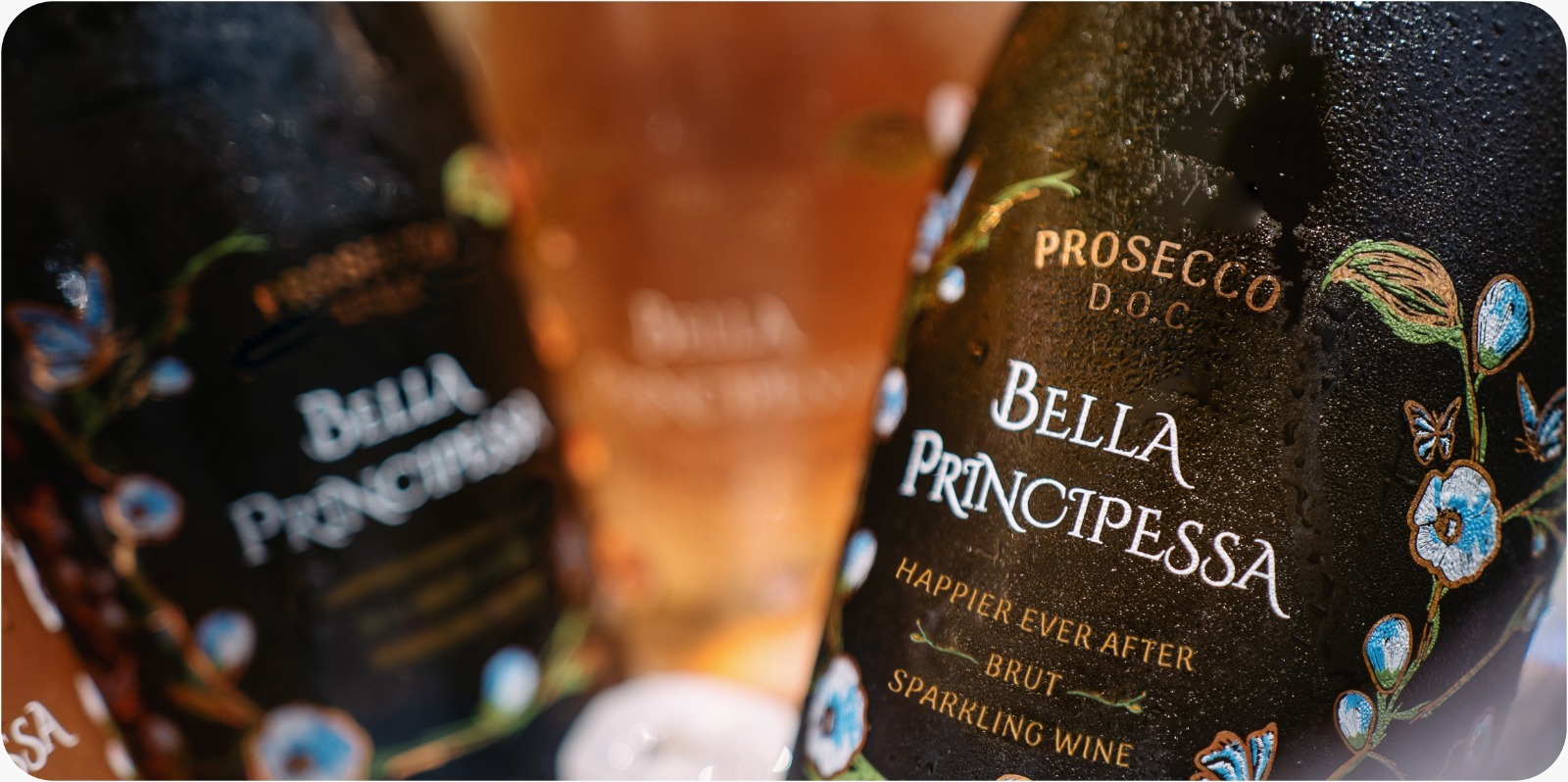
For Bella Principessa, the designation is Prosecco DOC. Understanding the other terms on a wine list helps you recognize what you are ordering, rather than hoping every sparkling name means your familiar glass.
Our Spanish comparison explains the distinction. For a closer look at the process, read sparkling-wine methods.
Sources
Royal Spanish Academy: cava; Cava regulatory body: traditional method.
D.O. Cava history documents those naming milestones.
 The long read, in the JournalProsecco vs Champagne: which to pour, when6 min read →
Keep this answer
Print it, save it, or send it to whoever asked.

 Il Bar di StaseraSophie’s 40th