Why Does Prosecco Taste Like Green Apple?
The short answer
An apple-like impression in Prosecco comes from wine aromas and your perception of freshness, not proof that apples were added. Grapes and fermentation can produce compounds that recall familiar fruits. Different bottles and tasters vary, so green apple is a useful description rather than a flavor every glass must deliver.
 Answered by Michael Goldstein · Founder, Bella Principessa
Updated on
The full answer
An apple-like impression in Prosecco comes from wine aromas and your perception of freshness, not proof that apples were added. Grapes and fermentation can produce compounds that recall familiar fruits. Different bottles and tasters vary, so green apple is a useful description rather than a flavor every glass must deliver.
The description says green apple. You look at the bottle and wonder when apples entered a conversation that began with grapes.
They do not have to be an ingredient. Wine aromas can recall other fruits, which is why tasting notes sometimes read a little like the contents of a fruit bowl.
Where Prosecco's green-apple aromas come from
WSET explains that grape compounds and fermentation contribute to wine aromas. Fermentation can create fruity esters associated with impressions such as apple, pineapple and banana in young wines.
That is a general explanation of wine aroma, not a laboratory identification of one compound in every Prosecco. A complete tasting impression can involve more than one sensation.
Does green apple mean the wine is sweet?
No. Aroma and sweetness are different dimensions. Fresh acidity can also influence the overall impression. The bottle's sweetness description, such as Brut or Extra Dry, gives different information from an apple tasting note.
Our Prosecco sweetness guide explains those label terms. Prosecco characteristics separates aroma, acidity, sweetness and texture.
What should you notice in your own glass?
Smell the wine, take a small sip and decide which familiar words seem useful to you. If you notice pear rather than apple, that does not make the experience wrong. A tasting note is meant to help you describe your preferences.
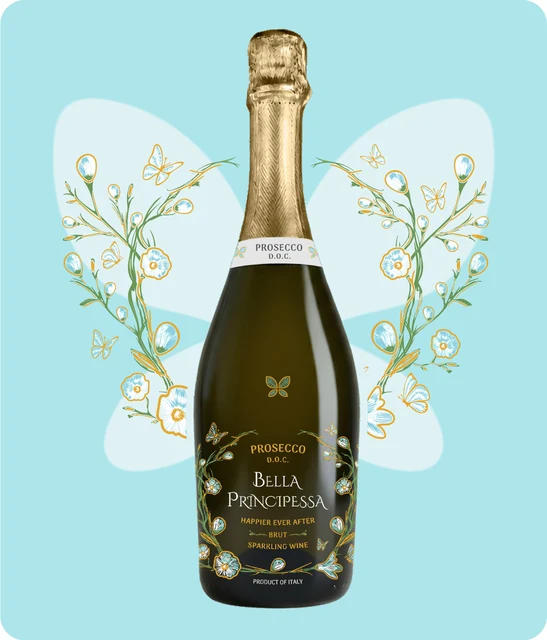
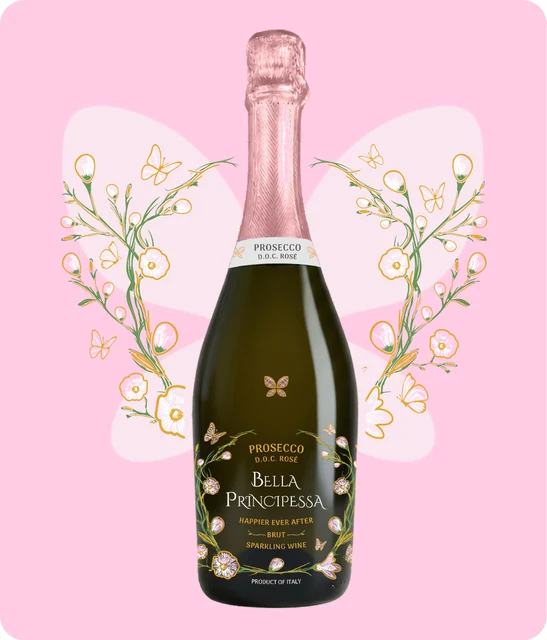
Try the same approach with Bella Principessa white Brut or rosé Brut. You may notice something different from the next person, and both descriptions can be useful.
For the broader tasting picture, read what Prosecco tastes like. For the process behind the wine, see wine fermentation.
Source
WSET: why wine does not simply taste of grapes.
 The long read, in the JournalThe Brut Truth About Prosecco9 min read →
Keep this answer
Print it, save it, or send it to whoever asked.

 Il Bar di StaseraSophie’s 40th