
Glera, Prosecco’s principal grape, contributes acidity and fruit and floral aromas. Growing conditions and winemaking shape how those qualities appear in the glass. Tank fermentation can highlight that fresh character; the grape alone does not explain every difference between bottles.
The bubbles tend to get all the attention. Glera has done quite a bit of the work before they arrive.
What does Glera contribute to Prosecco?
The Prosecco DOC consortium describes Glera’s acidulous character and fruity aromas. Acidity helps explain the refreshing impression, while fruit and floral notes give the wine more to offer than fizz alone.
Its guide names pear, green apple, citrus, wisteria and jasmine among typical Prosecco notes. Treat those as useful tasting clues, not a checklist every bottle must complete. Your glass does not need to smell like an entire florist.
Why do growing conditions and winemaking matter?
Climate, soil and cultivation can affect how the grape’s character develops. The DOC consortium also explains that refermentation in an autoclave, or pressurized tank, enhances fruit and floral aromas.
Our how Prosecco is made guide follows that process. The practical point is that grape and method work together: identifying Glera does not tell you everything about the finished wine.
How is this different from asking which grapes are used?
Grape identity and blending rules answer what goes into the wine. This question asks what the main grape contributes. For the permitted grapes and proportions, read our Prosecco grape and blend guide.
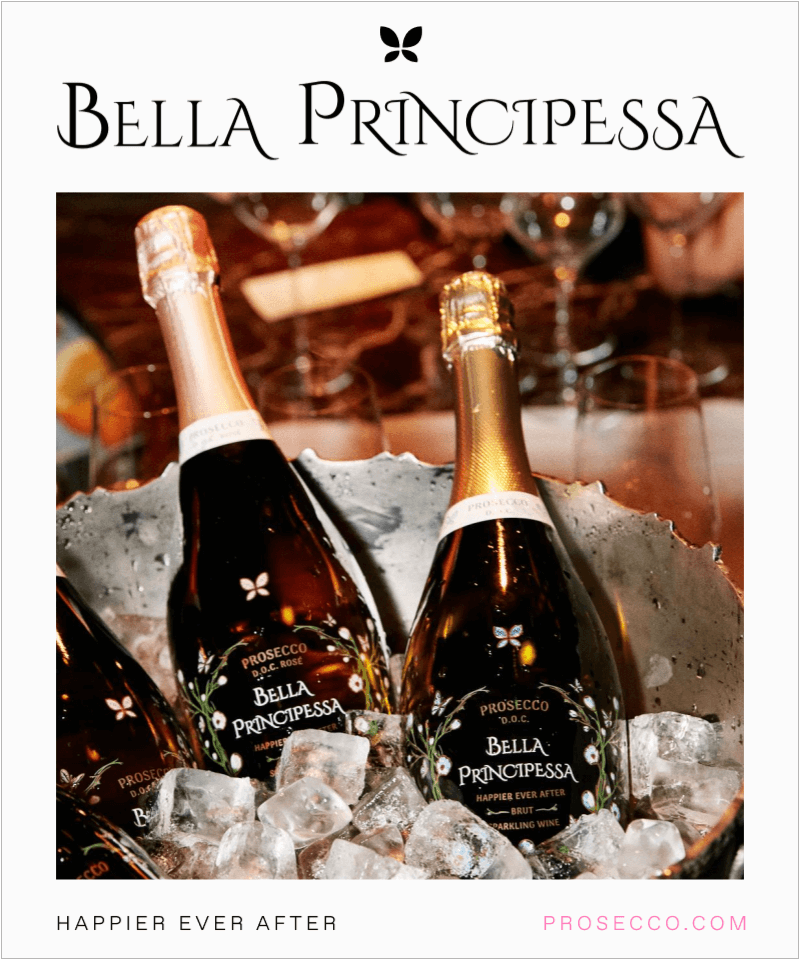
When choosing Bella Principessa, read the expression and sweetness description too. Glera’s role is useful background, but it does not replace the details of the particular bottle you are buying.