Prosecco comes in three forms: spumante (fully sparkling), frizzante (semi-sparkling) and tranquillo (still). White Prosecco DOC can be made in all three; Prosecco DOC Rosé is fully sparkling. Sweetness terms such as Brut and Extra Dry describe a separate choice, with Extra Dry sweeter than Brut.
A wine list can make perfectly competent adults start pointing. You can negotiate a salary, organise a dinner for eight and recognise a disastrous date before the starters arrive. Then someone hands you a page of Italian wine terminology and suddenly you’re ordering “the second one”.
Prosecco is easier once you separate four things: bubbles, colour, sweetness and origin. Unfortunately, the label expects you to know which word belongs to which.
Start with the bubbles
Three terms describe the sparkle:
- Spumante: fully sparkling Prosecco.
- Frizzante: semi-sparkling Prosecco, with a gentler sparkle.
- Tranquillo: still Prosecco, without the sparkle.
Yes, still Prosecco exists. It simply gets fewer invitations to the photographs.
White Prosecco DOC is recognised in all three forms. Prosecco DOC Rosé is spumante, so a still pink wine does not become Prosecco DOC Rosé simply by looking the part.
If you’re curious about the quieter end of the category, explore semi-sparkling Prosecco and still Prosecco.
White or rosé?
Colour tells you something different from sparkle. White Prosecco and pink Prosecco DOC Rosé can both be fully sparkling. “Rosé” and “spumante” can therefore appear in the same description without anyone repeating themselves.
Sweetness is another matter. Pink has acquired enough assumptions without being held responsible for the sugar content of every bottle.
Our Prosecco rosé answer explains the expression. When choosing one, look at its sweetness term as well as its colour.
Brut, Extra Dry and the naming problem
For white Prosecco DOC spumante, the permitted sweetness categories run from Brut Nature through Extra Brut, Brut, Extra Dry, Dry and Demi-sec. Prosecco DOC Rosé permits Brut Nature through Extra Dry.
Here is the detail that can undo an otherwise confident order: Extra Dry is sweeter than Brut.
You are allowed to find that unhelpful. It remains useful to know before buying six bottles.
The Prosecco sweetness levels explain the categories. Choose according to the style you enjoy, rather than assuming the driest-sounding English name must mean the driest wine.
Where DOC and DOCG fit
DOC and DOCG identify appellations and their requirements. They belong to the origin part of the conversation, alongside the separate details about sparkle and sweetness.
A bottle’s designation will not, by itself, answer every question about how it tastes. Our DOC and DOCG guide explains what those terms tell you.
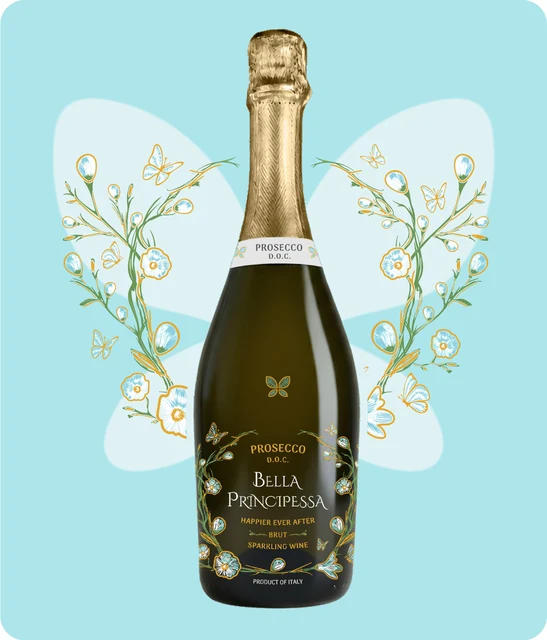
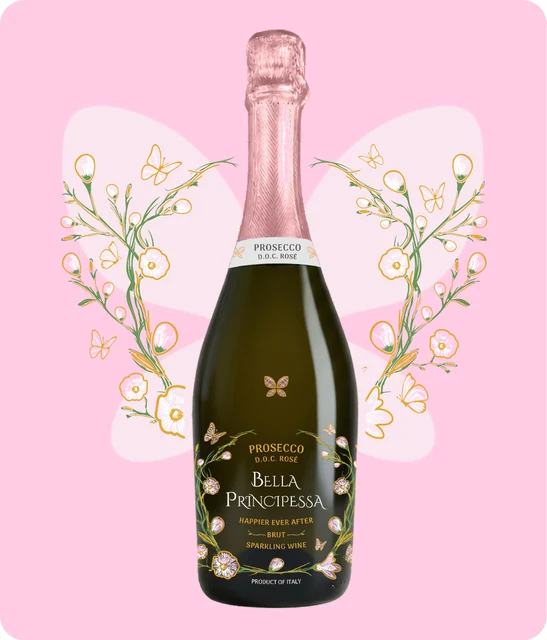
For a familiar example, Bella Principessa’s white Prosecco DOC and Prosecco DOC Rosé are both Brut. The descriptions give you the appellation, colour and sweetness category.
Once you know which word does which job, you can choose a bottle without turning dinner into a revision session.