What are sulfites in wine?
The short answer
Sulfites, also spelled sulphites, are sulfur compounds associated with wine preservation. Sulfur dioxide helps protect wine against oxidation and unwanted microorganisms. Sulfites can also arise naturally during fermentation, so no added sulfites does not mean sulfite-free. Check the specific bottle rather than assuming a level from its color or brand.
 Answered by Michael Goldstein · Founder, Bella Principessa
Updated on
The full answer
Sulfites, also spelled sulphites, are sulfur compounds associated with wine preservation. Sulfur dioxide helps protect wine against oxidation and unwanted microorganisms. Sulfites can also arise naturally during fermentation, so no added sulfites does not mean sulfite-free. Check the specific bottle rather than assuming a level from its color or brand.
Seeing “contains sulfites” on a bottle can raise a reasonable question: why are they there? The statement tells you something about the wine, but it does not predict your individual response to drinking it.
Start with what sulfites do in winemaking, then keep product claims and personal health questions separate.
Why are sulfites used?
Sulfur dioxide helps preserve wine by limiting oxidation and microbial spoilage. Those functions concern the wine’s condition; they are not a health benefit for the person drinking it. The International Organisation of Vine and Wine describes these roles in its winemaking guidance.
What does no added sulfites mean?
It concerns additions, not necessarily the total sulfites present. The U.S. TTB checklist explicitly distinguishes no-sulfites-added wording from naturally occurring sulfites.
A claim that a wine has no sulfites is therefore different from a claim that none were added. Do not replace one with the other when describing a product.
What does contains sulfites tell you?
Under the U.S. rules described in TTB's checklist, the declaration is required at 10 parts per million or more of total sulfur dioxide. The statement does not give an exact measured amount for the bottle or compare it with another brand.
This is U.S. labeling context, not a complete compliance guide for every market. Other label questions need the applicable current rules.
What should you check for a particular wine?
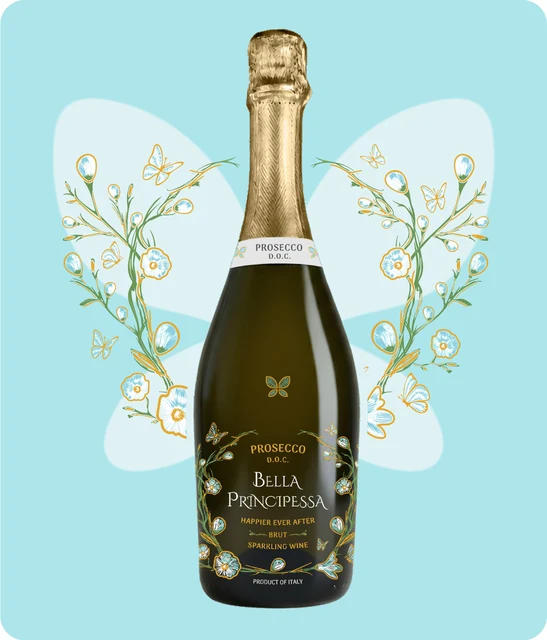
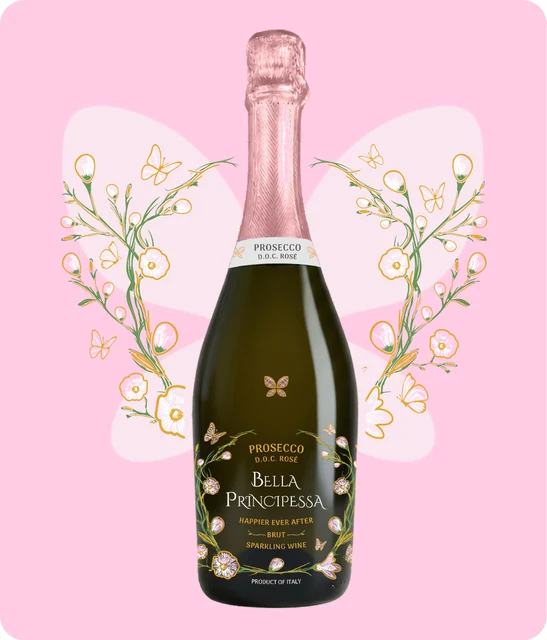
Use its current label and producer information. Bella Principessa's DOC designation does not establish a specific sulfite level or substantiate low-sulfite, headache-free or health-benefit claims.
If you have a known sensitivity or medical concern, consult a qualified healthcare professional and verified product information. General wine copy cannot assess your individual response.
For other label details, see reading a Prosecco label.
For a separate dietary question, see vegan and gluten-free Prosecco. Sulfite wording does not establish either claim.
Source
TTB mandatory wine-labeling checklist, U.S. sulfite-declaration section.
OIV: sulfur dioxide in winemaking.
Keep this answer
Print it, save it, or send it to whoever asked.

 Il Bar di StaseraSophie’s 40th