Check a Prosecco bottle's designation, origin wording, producer details and official identification features against current consortium and producer information. Buy from a traceable seller. If something conflicts, ask before relying on it: an attractive label or a barcode alone cannot settle every authenticity concern.
The parcel arrives, but the bottle does not quite match the picture you remember. That is worth checking, though it is not a verdict: packaging can change, and retailer photographs can be old.
Keep the order details and look at the wine's full designation. A few specific checks are more useful than deciding by appearance alone.
Checking Prosecco authenticity: official guidance
The DOC consortium explains state markings, identifying codes and Italian-origin wording in its bottle-recognition guide. Compare those features with the actual bottle and current producer details. An old retailer photograph may not reflect current packaging.
Do not treat a casual visual check as a conclusive authentication service. Codes and packaging can be misrepresented; a concern needs confirmation from an appropriate source.
How can you check whether Prosecco rosé is authentic?
Start with the designation: Prosecco rosé belongs to Prosecco DOC. Compare the bottle and its producer details with current product information, and ask the seller or producer about anything that conflicts. The words on a label are a starting point for checking the bottle, rather than conclusive proof of what is inside.
Ask about inconsistencies
A listing that alternates between DOC and DOCG, shows a different brand or gives conflicting bottle sizes deserves clarification. Keep the order confirmation and photographs of the bottle, label and lot information so the seller or producer can identify what you received.
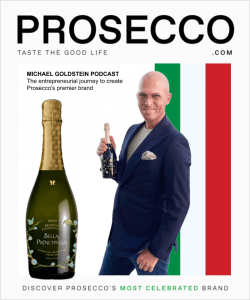
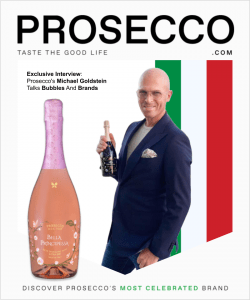
For Bella Principessa, use the same practical checks. Confirm whether you bought the white Prosecco DOC Brut or DOC Rosé Brut, then compare the particular bottle with current product information.
What if you still have doubts?
Contact the seller or producer with the details. The DOC consortium's recognition page also provides a route for reporting suspected misuse. A suspicion is a reason to investigate, not to publish an accusation about a business or bottle.
If the designation itself is unfamiliar, read Prosecco DOC explained. For the other label terms, see reading a Prosecco label; for the broader definition, read what real Prosecco means.