Prosecco history: from a Roman wine to the spritz glass
A Roman empress, a chemist in Asti and an orange cocktail walk into a bar. The bar is in Venice, and it’s pouring Prosecco. Here is how it got there.

Michael GoldsteinFounder, Bella PrincipessaUpdated on · 6 min read
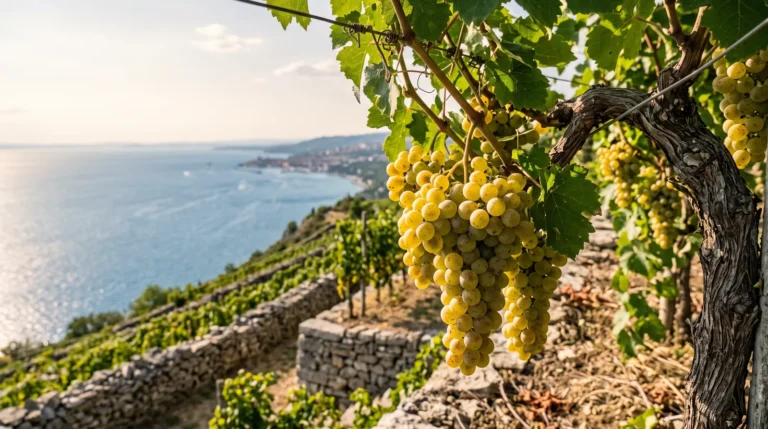
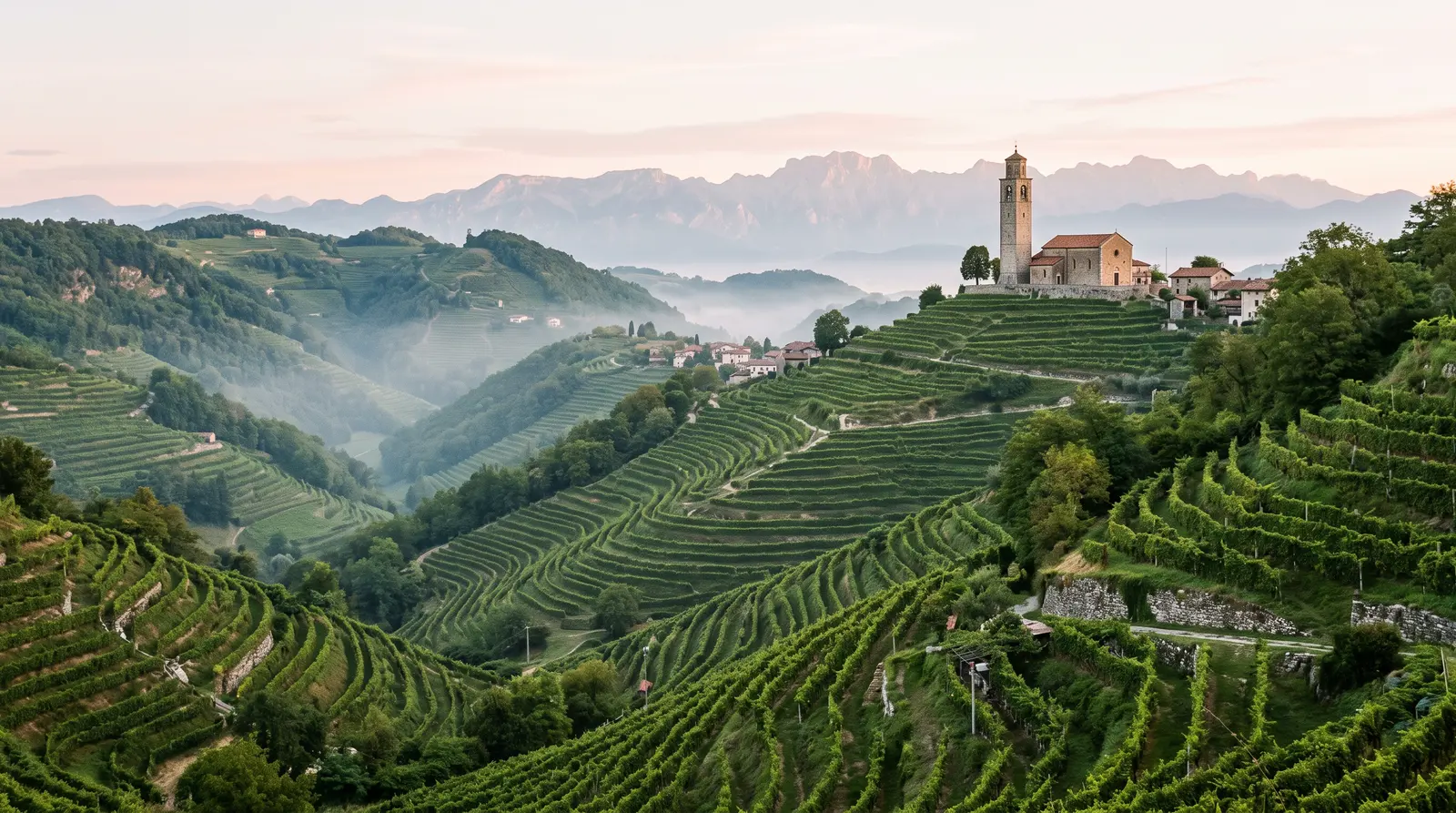
Cover illustration, for illustration purposes: terraced vineyards and an old bell tower in the Prosecco hills at dawn.
At a glance
- Oldest mention
- Pliny the Elder’s wine of Pucinum, placed tentatively at the village of Prosecco near Trieste
- The school
- Italy’s first wine school opened at Conegliano in 1876
- The bubbles
- Federico Martinotti patented tank fermentation in 1895; Eugène Charmat improved it in 1907
- The name
- In 2009 Prosecco became a protected place name, and the grape was renamed Glera
- The boom
- 667 million bottles of Prosecco DOC in 2025, more than 82% sold abroad
In this story 8 parts
What is the history of Prosecco?
Prosecco’s history runs from a Roman wine to the spritz glass. Pliny the Elder praised the wine of Pucinum,1 probably today’s village of Prosecco near Trieste.2 Italy’s first wine school opened at Conegliano in 1876,3 an Italian patented tank fermentation in 1895,4 and in 2009 the name became a protected place, with the grape renamed Glera.5
That’s two thousand years in one paragraph. Here it is a little slower, with the good bits.
- Roman times: the wine of PucinumPliny the Elder writes that the empress Livia credited her 82 years to the wine of Pucinum and drank no other.1 Scholars place Pucinum, tentatively, at today’s Prosecco.2
- 1876: a school in ConeglianoItaly’s first wine school opens at Conegliano, chosen because Prosecco was made there and in Valdobbiadene.3
- 1895: the tankFederico Martinotti, a Piedmontese wine scientist, patents a second fermentation in a large sealed tank.4
- 1907: the FrenchmanEugène Charmat improves the equipment and patents it again. His name is the one that travels.4
- 1919: the orange bitterAperol is presented at a trade fair in Padua. Around the 1950s, someone adds it to the spritz.6
- 2009: the name becomes a placeA decree creates Prosecco DOC and two DOCGs in the hills,7 and the grape is renamed Glera.5
- 2025: the boom667 million bottles of Prosecco DOC, more than 82% of them sold abroad.8
Our illustrated Prosecco timeline draws the whole story, one year at a time.
Where did Prosecco originate?
On a rocky height above a bay of the Adriatic. Pliny the Elder, the Roman naturalist, wrote of the wine of Pucinum, grown there on stony ground where the sea breeze ripened a few grapes. He said the empress Livia lived to 82, credited the wine, and drank no other.1 Scholars place Pucinum, tentatively, at the village of Prosecco, on the coast just north of Trieste.29
Whether the wine kept her young or she simply liked it, history doesn’t say. Either way, it is the first wine endorsement on record, and nobody had to be paid. Over the centuries the wine moved west, into the hills of the Veneto and Friuli, where it grew up.10 The name stayed with the village. Our guide to whether Prosecco is a place or a grape has the map.
How did Prosecco become an iconic Italian sparkling wine?
Four things did it, roughly in this order: a school, a tank, a name and a cocktail.
- A school. In 1876 Italy opened its first wine school in Conegliano, chosen because Prosecco was made there and in Valdobbiadene.3 Prosecco country got its science teachers early.
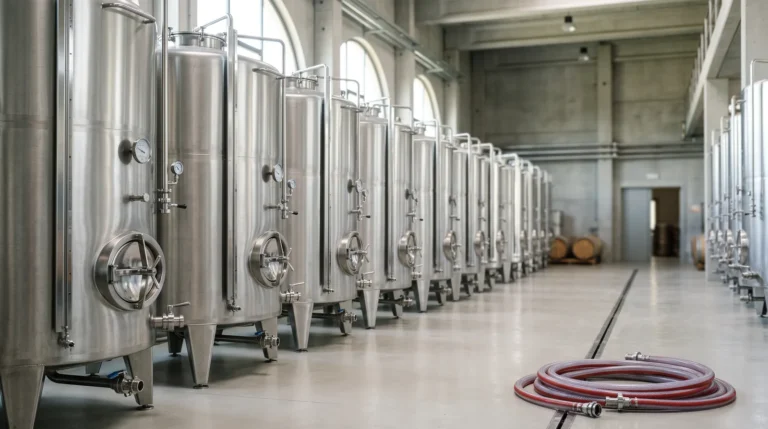
- A tank. In 1895 Federico Martinotti, who also directed the royal wine station in Asti, patented a second fermentation in a big sealed tank instead of in every bottle.4 In 1907 Eugène Charmat improved the equipment and patented it again.4 Most of the world still calls it the Charmat method. Italians do not.
- A name. In 2009 Prosecco became a protected place name, and the grape got a new one, Glera.75
- A cocktail. The spritz, which made Prosecco the base of Italy’s best-known orange aperitivo.
The tank mattered most to the taste. It keeps the fresh green apple, pear and white-flower smell of the Glera grape,11 and it gets the wine into the bottle in weeks, not years. The Charmat method, step by step, has the rest, and the argument about whose name goes on it.
A school, a tank, a name and a cocktail.
Why was the Prosecco grape renamed Glera?
To protect the place. Until 2009 the grape and the wine shared one name, and a grape can be planted anywhere. That year Italy renamed the grape Glera, so that Prosecco would mean the wine from its region of origin and nothing else.5
The same decree, of 17 July 2009, recognised Prosecco DOC and two DOCGs in the hills, Conegliano Valdobbiadene and Asolo.7 It is the most consequential piece of paperwork in the story. Nobody toasts it. Somebody should.
How did Prosecco earn its place in modern wine culture?
Through the spritz, mostly. The drink’s distant origins go back to the years when Austro-Hungarian soldiers controlled the Veneto: unused to the strength of the local white wine, they topped it up with sparkling water. Hence the name, from the German spritzen.6 The bitter orange came later. Aperol was presented at a trade fair in Padua in 1919, and around the 1950s it found its way into the glass.6
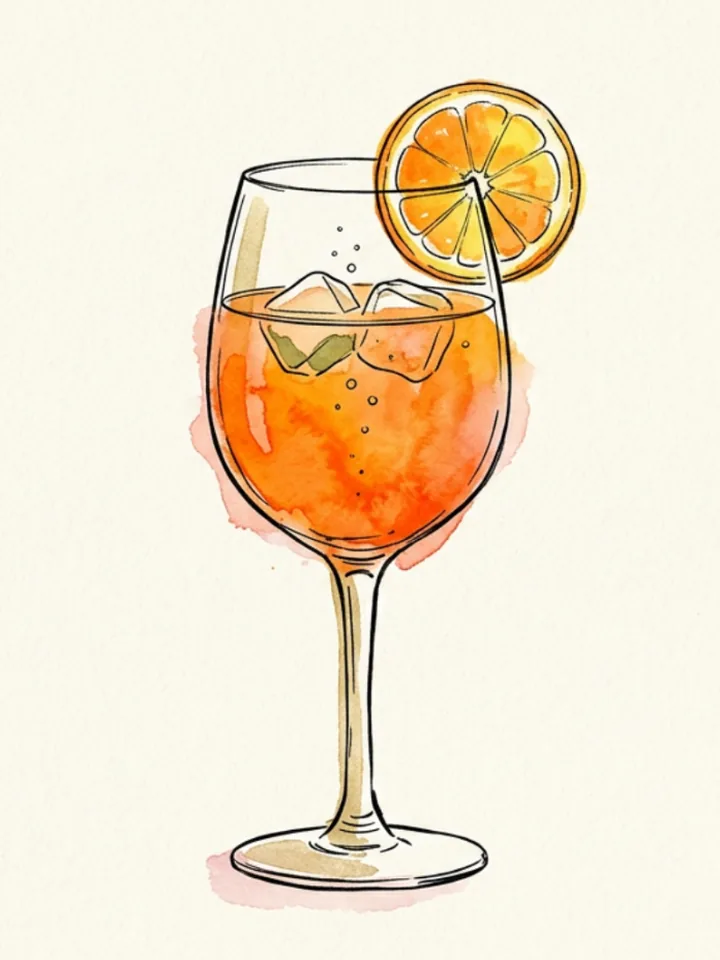
The official recipe today, from the International Bartenders Association, is 90 ml of Prosecco, 60 ml of Aperol and a splash of soda, built over ice in a wine glass.12 Notice which ingredient comes first. So the most famous aperitivo in Italy is, by volume, mostly Prosecco. Our Aperol spritz recipe does the pouring.
How big is Prosecco now?
Very. Il Sole 24 Ore, Italy’s business daily, reported 667 million bottles of Prosecco DOC in 2025, worth €3.6 billion, with more than 82% sold abroad, in 164 countries.8 The United States was the biggest export market in the first nine months of the year, with 23.8% of exports.8 About 60 million of those bottles were rosé,8 roughly one in eleven.
Put another way: a wine Pliny described as coming from “a few grapes” on one rocky hill1 now fills hundreds of millions of bottles a year. The hills themselves have changed less. The steep slopes between Conegliano and Valdobbiadene, farmed on grassy terraces, are a UNESCO World Heritage site.13
Who tells the Prosecco story: a field guide
Every table has someone who knows a little Prosecco history. Sometimes several, and they rarely agree on the details.
- The Roman. Opens with Livia and the 82 years. Never mentions that the wine came from a few grapes on one hill.
- The Martinotti loyalist. Corrects “Charmat” every time. Is technically right, which is the most annoying way to be right.
- The spritz evangelist. Thinks the history of Prosecco began on a terrace in June. Has a point.
- The label reader. Knows 2009 is why the word on the bottle means a place. Says so, once, quietly.
- You. Now know all four stories, and the correct order to tell them in.
History, poured
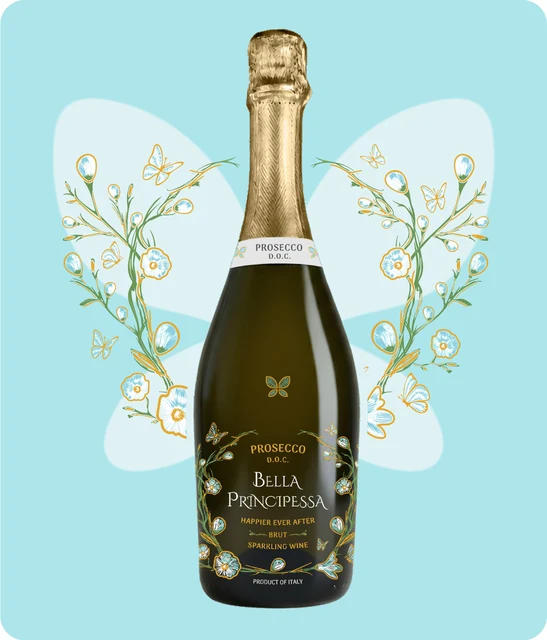
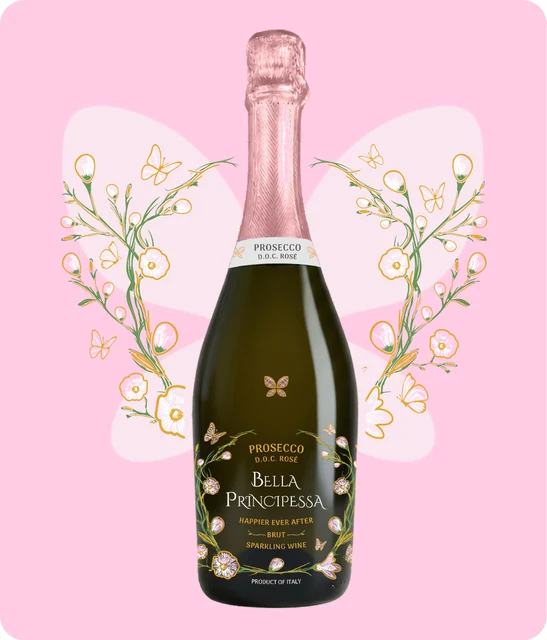
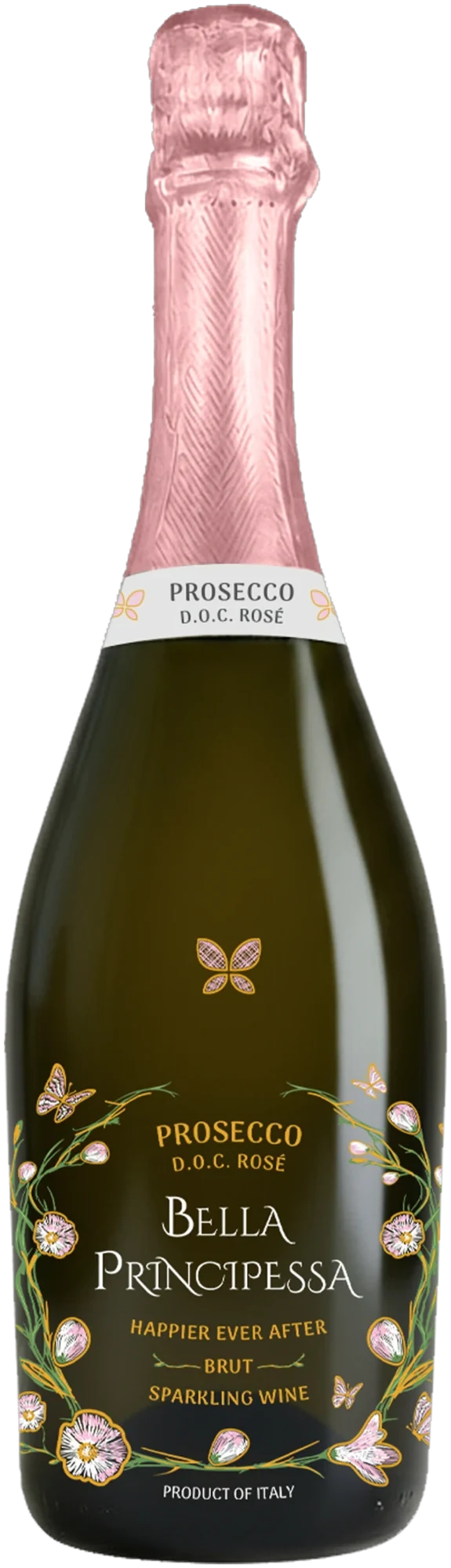
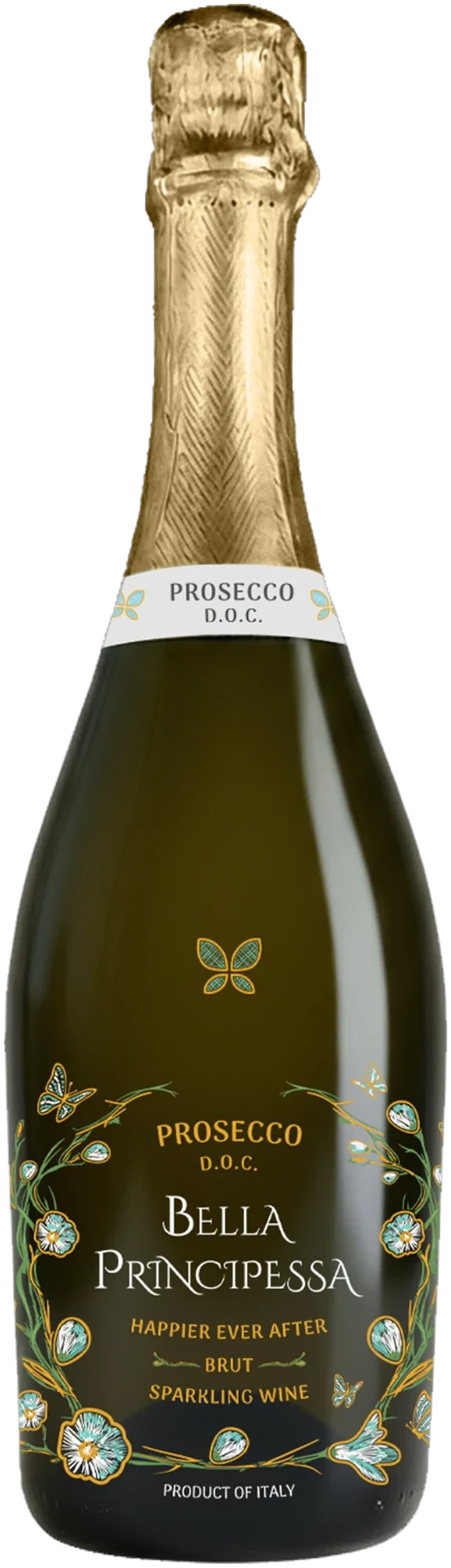
Bella Principessa is Prosecco DOC from the province of Treviso, made in the tank Martinotti patented and labelled under the name that 2009 protected. Brut, dry and fresh. The story takes five minutes to tell. The bottle takes a little longer.
FAQs
Where did Prosecco originate?
In northeast Italy. The name comes from the village of Prosecco near Trieste, which scholars tentatively link to the Roman wine of Pucinum praised by Pliny the Elder.
How old is Prosecco?
The wine’s story goes back to Roman times. The sparkling Prosecco we know took shape with the tank method, patented in 1895, and the protected name dates from 2009.
Who invented the Prosecco method?
Federico Martinotti patented tank fermentation in Italy in 1895. Eugène Charmat patented an improved version in France in 1907, which is why it is often called the Charmat method.
When was the Prosecco grape renamed Glera?
In 2009, when Prosecco became a protected place name and a decree created Prosecco DOC and two DOCGs in the hills.
Is Prosecco Italian?
Yes. It comes from nine provinces in the Veneto and Friuli Venezia Giulia, in northeast Italy.
Why did Prosecco become so popular?
A fresh, fruity style from the tank method, a protected name, and the spritz. Il Sole 24 Ore reported 667 million bottles of Prosecco DOC in 2025, most of them sold abroad.
Sources: dig deeper
The facts in this story come from these pages. Each number in the text links to its source.
- Perseus Digital Library, Tufts University, Pliny the Elder, Natural History, Book XIV, chapter 8 (trans. Bostock and Riley)
- Pleiades: A Gazetteer of Past Places, Castellum Pucinum
- FAI, Fondo Ambiente Italiano, Scuola Enologica I.S.I.S.S. G.B. Cerletti
- Gambero Rosso International, Everything you need to know about the Italian Method, 4 March 2021
- Wine Spectator, Is ‘Prosecco’ a grape or a region?, 9 August 2017
- Turismo Padova, the city of Padua’s tourism office, Spritz in Padova
- Gazzetta Ufficiale della Repubblica Italiana, Decree of 17 July 2009: recognition of the DOC «Prosecco» and the DOCGs «Conegliano Valdobbiadene – Prosecco» and «Colli Asolani – Prosecco» or «Asolo – Prosecco», GU no. 173, 28 July 2009
- Il Sole 24 Ore, Wine in crisis? Not Prosecco Doc, which also records growth in 2025, 9 January 2026
- PromoTurismoFVG, Friuli Venezia Giulia tourism board, Prosecco
- Official Journal of the European Union (EUR-Lex), ‘Prosecco’: approved amendment to the product specification, with the single document (C/2025/6773), 23 December 2025
- Italian Ministry of Agriculture (MASAF), Prosecco DOC: consolidated production rules (disciplinare), decree of 22 September 2025
- International Bartenders Association, Spritz (IBA official cocktail)
- Le Colline del Prosecco di Conegliano e Valdobbiadene, UNESCO World Heritage site, The Area
Checked on November 2, 2026.
Keep this story
Save it for the next toast that needs a story. Or send it to whoever thinks Prosecco was invented last Tuesday.

 Il Bar di StaseraSophie’s 40th